
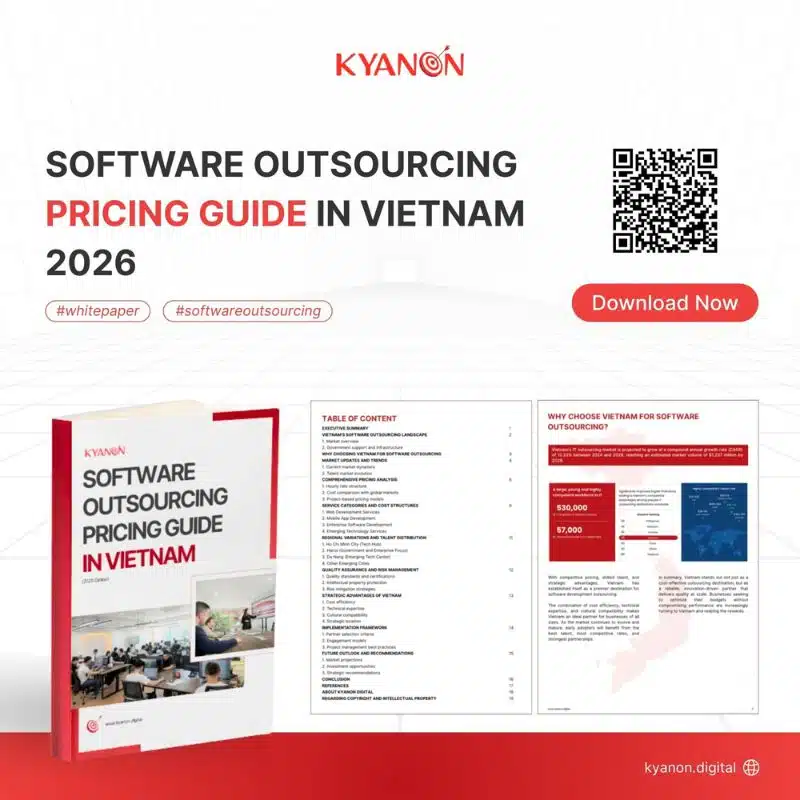
Traditional CMS architecture can limit content delivery when businesses need to publish across many digital touchpoints. This guide shows how headless and hybrid CMS approaches help organizations separate content management from front-end delivery, enabling faster publishing, API-based integrations, and more flexible customer experiences. Through real examples from Georgia.gov, Penn State News, LiveWire, MTA, IOLLA, Cascade Public Media, The London Clinic, and Pac-12 Networks, the whitepaper shows how modern CMS strategy can improve performance, conversion, content operations, and omnichannel engagement.
What’s Inside
- CMS Architecture Options: The differences between traditional, headless, and hybrid CMS models.
- Conversational User Interfaces: How Georgia.gov used a hybrid CMS to deliver content through Alexa.
- Storytelling Platform: How Penn State News used headless Drupal to manage large-scale content publishing.
- Content Operations: How LiveWire empowered teams to update rich, multilingual content more easily.
- Digital Signage: How MTA delivered real-time content to 1,800 digital signs across 400+ stations.
- E-Commerce Experience: How IOLLA connected Drupal, Shopify, and ReactJS to improve customer journeys.
- Smart TV Apps: How Cascade Public Media used Drupal to power OTT apps and personalized content.
- Conversion Optimization: How The London Clinic improved self-pay inquiries and overall conversion rate.
- Fan Experience: How Pac-12 Networks created a scalable content platform across web, video, and apps.
- Key Takeaways: How headless and hybrid CMSs help businesses deliver consistent experiences across current and future channels.
Download this whitepaper to discover the possibilities with headless and hybrid CMSs Drupal to support the most ambitious omnichannel digital experience goals.
Download now to get the full white paper!


 Create project brief with AI